

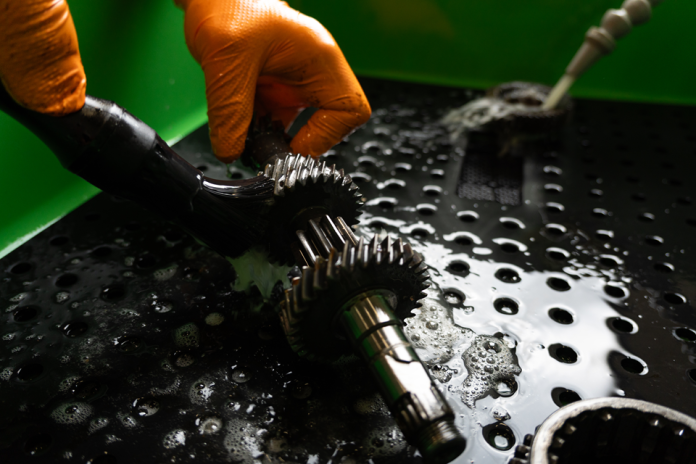
Companies are beginning, cautiously, to integrate sustainability into their day-to-day operations. In a company, for example, sustainability takes shape through decisions that rarely draw attention: how parts are cleaned, how long a cleaning bath remains in use, or how much energy equipment maintenance consumes. Repeated daily, these operations influence resource consumption, employee health and production costs.
In industrial cleaning, a sustainable approach means assessing the entire process: the substances used, water and energy consumption, waste generation, operator exposure and equipment lifespan. Cleaning performance remains essential. An unsuitable solution may require repeat cleaning, damage parts and increase resource consumption.
Across the entire operation, total cost matters more than purchase price. This is why our approach is guided by four key performance criteria, which customers can assess at their own facilities through free demonstrations and technical advice:
- Environmental sustainability: water-based, solvent-free cleaning products.
- Economy: lower consumption and longer service life.
- Efficiency: fast, high-quality cleaning results.
- Education: knowledge sharing and active partnerships
BIO-CIRCLE puts these principles into practice
BIO-CIRCLE ROMANIA serves industries like automotive, metalworking, energy, electronics, food, pharmaceuticals and many others. The company starts by assessing the application, then recommends the combination of products, equipment and services suited to each process. Testing, consultancy and maintenance support the efficient use of its solutions and the long-term operation of equipment. This approach defines the “MAKING GREEN WORK” concept: integrating environmental objectives into industrial operations.
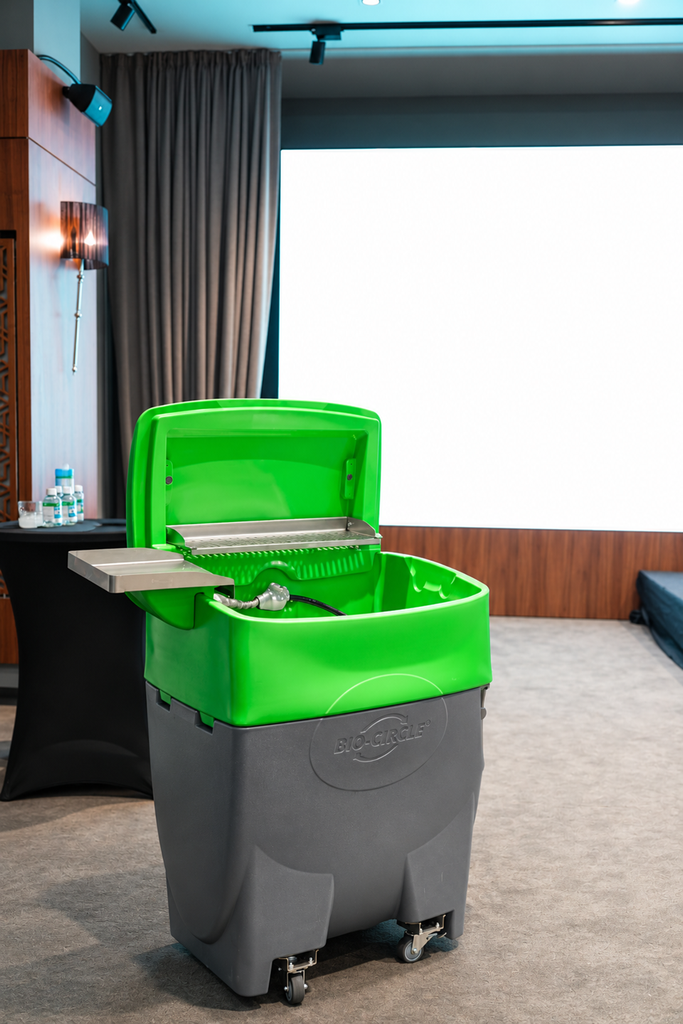
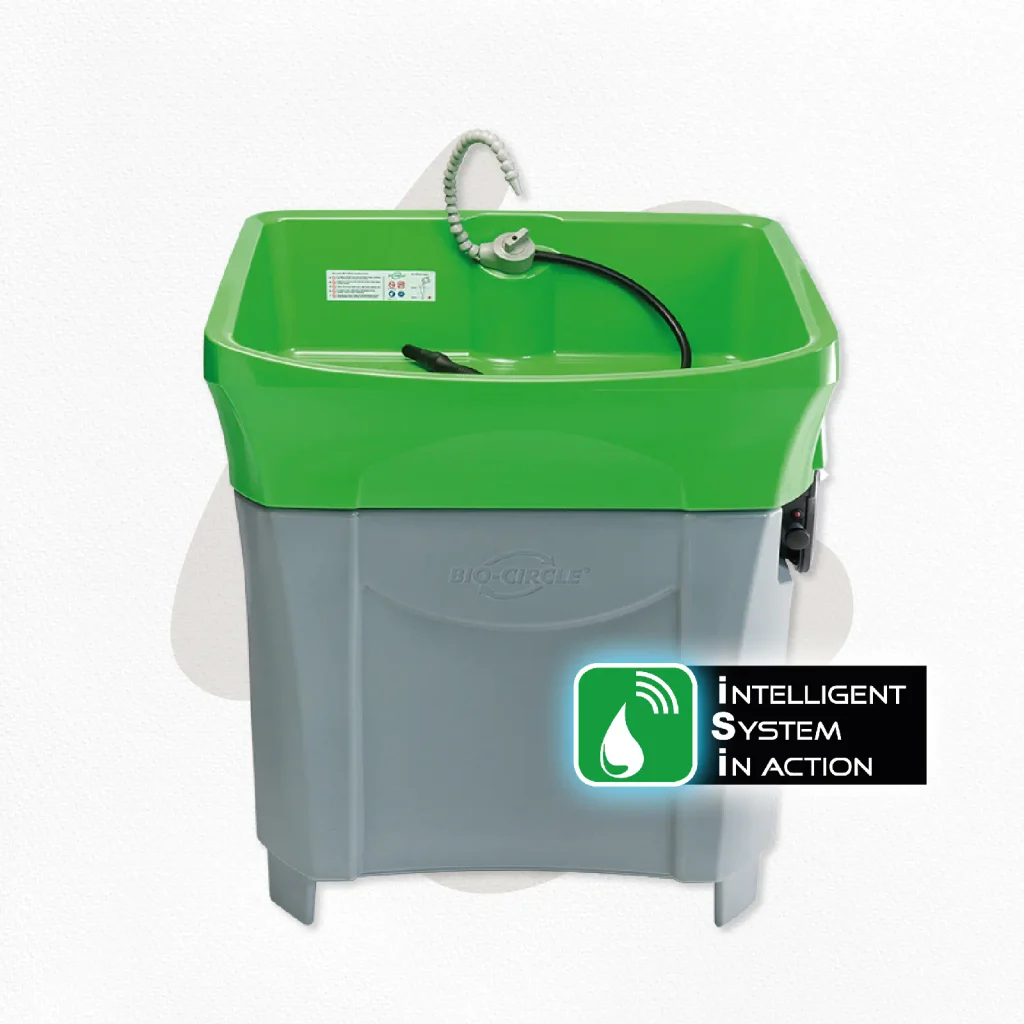
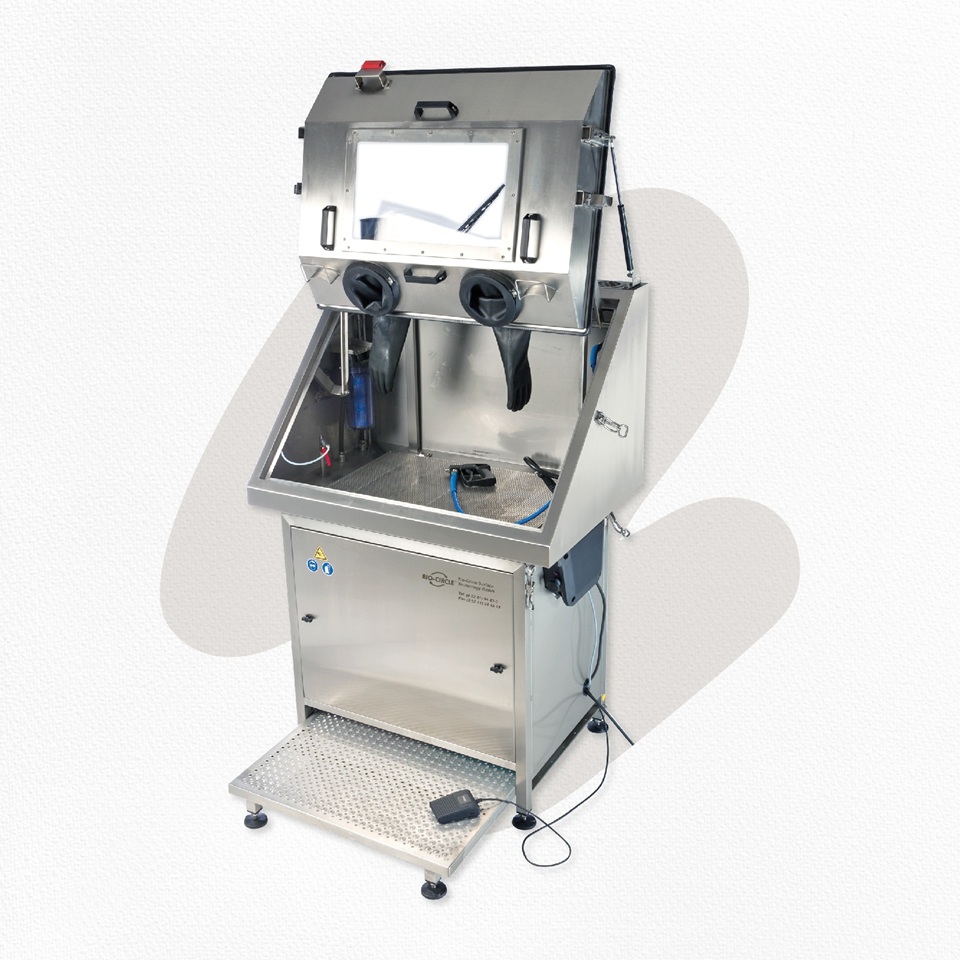
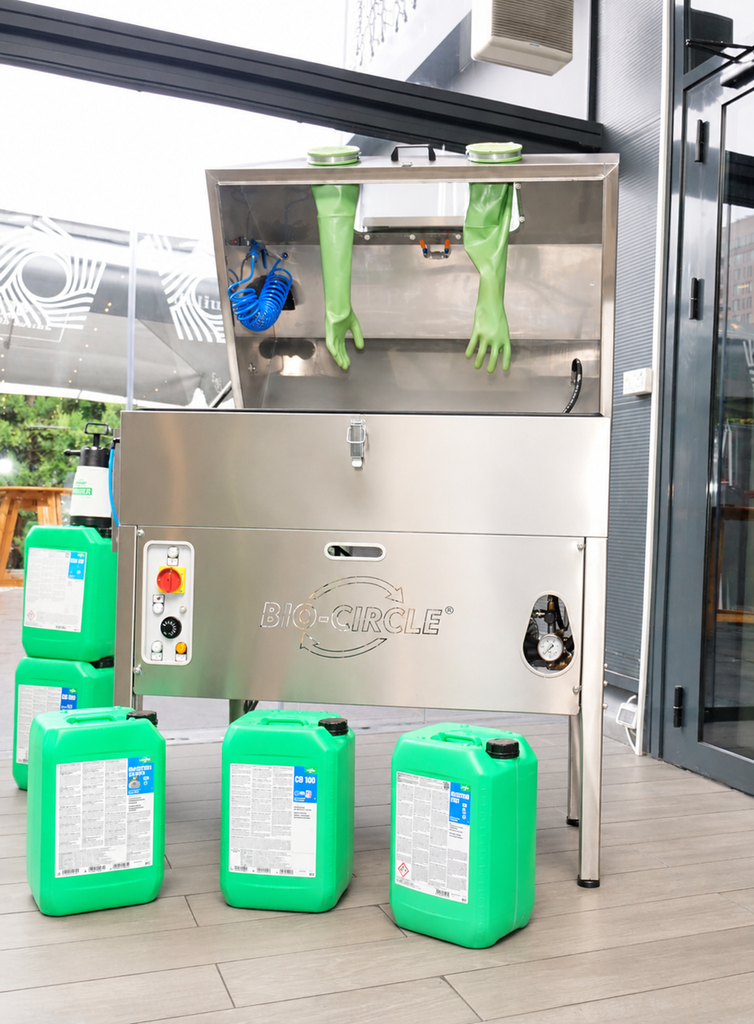
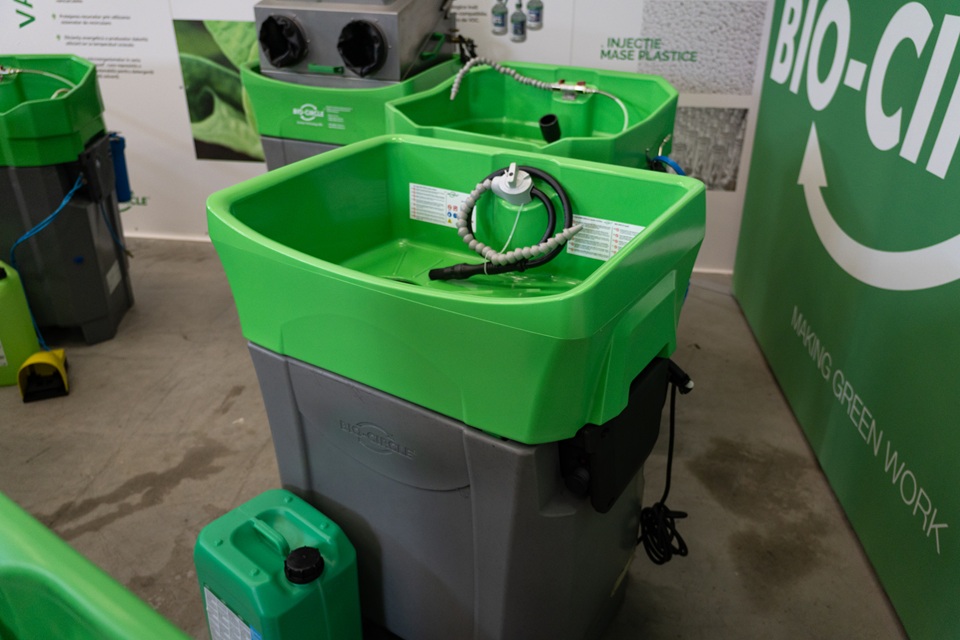
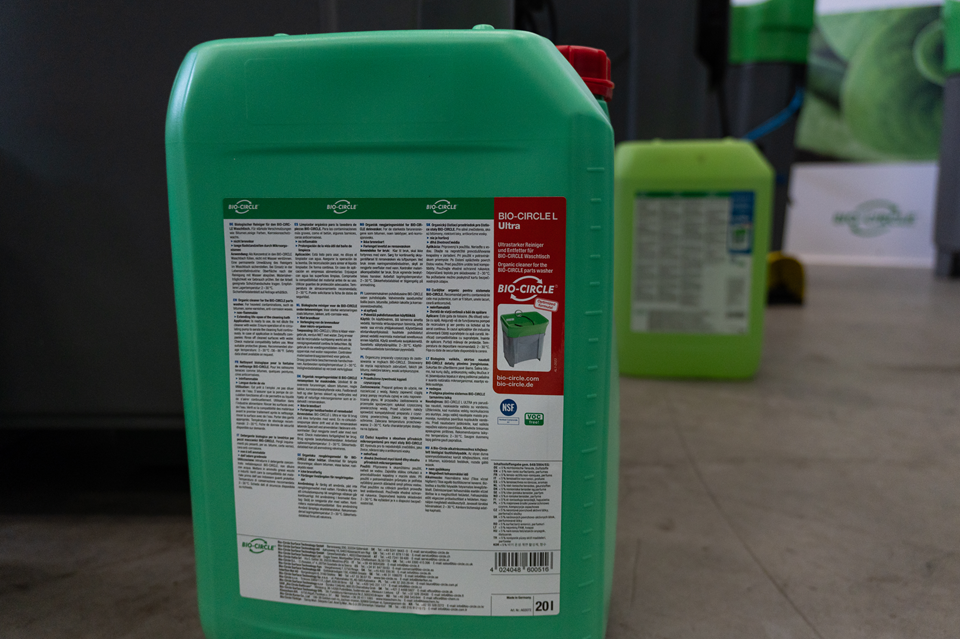
One example is BIO-CIRCLE L Ultra, a cleaning fluid free from volatile organic compounds, designed for BIO-CIRCLE recirculating systems. Microorganisms in the formulation break down oils removed during cleaning, helping to extend the fluid’s service life. The benefits need to be assessed for each application under actual operating conditions.
The automotive industry is among the sectors most receptive to environmentally sustainable solutions. In an industry with strict quality requirements and carefully planned production schedules, managers understand how industrial cleaning affects
production times and costs. A process tailored to the application can reduce the need for repeat cleaning and shorten the time required to prepare parts for subsequent stages.
Efficiency that supports investment decisions
When deciding whether an investment is worth making, what matters most is whether it can deliver results you can measure. The price of a litre of cleaning agent represents only part of the cost. Other factors include dosage, operating temperature, cleaning time, how frequently the cleaning bath needs replacing and waste management.
The meaningful comparison is therefore the cost of cleaning a part to the required quality standard. Production trials and measurements of resource consumption before and after a change can show whether an alternative reduces costs and environmental impact. Operator safety, process reliability and technical support also strengthen the case for investment.
Competitiveness or compliance
Compliance requirements can trigger change, while savings and business partners’ expectations can sustain it. Sustainability becomes a factor in competitiveness only when its results are tracked alongside productivity and quality.
Nevertheless, Romanian industry cannot yet be described as fully sustainable. Some companies are investing in efficiency and circularity, while others face constraints related to infrastructure, budgets and implementation capacity.
For BIO-CIRCLE, its contribution begins with cleaning processes: identifying waste, selecting the right technology and verifying results. This is where sustainability takes tangible form through more efficient resource use, improved working conditions and sustained performance over time.